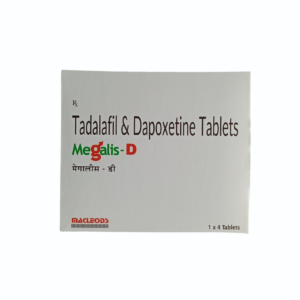


Erectile dysfunction (ED) is a common condition that can affect a person’s confidence, relationships, and overall quality of life. While occasional difficulty getting or maintaining an erection can happen to many people, persistent symptoms may be worth discussing with a qualified healthcare professional.
Today, several treatment options are available for ED. Understanding how these treatments work, what factors may affect your choice, and what precautions to consider can help you have a more informed conversation with your healthcare provider.
What Is Erectile Dysfunction?
Erectile dysfunction is the ongoing difficulty of getting or maintaining an erection that is firm enough for sexual activity.
ED can have different causes, including certain health conditions, medications, lifestyle factors, stress, and psychological factors. Because the underlying cause can vary from person to person, treatment should be considered based on individual circumstances.
If ED happens regularly, speaking with a healthcare professional can help identify possible contributing factors and appropriate treatment options.
Common ED Medication Options
Several prescription medications are commonly used to treat ED. They belong to a group called PDE5 inhibitors.
Common examples include:
- Sildenafil
- Tadalafil
- Vardenafil
- Avanafil
Although these medications work in a similar general way, they differ in factors such as how quickly they may begin working and how long their effects may last.
The right option depends on individual health circumstances, other medications, lifestyle, and advice from a healthcare professional.
Sildenafil vs. Tadalafil: What’s the Difference?
Sildenafil and tadalafil are two well-known ED medications, but they have some important differences.
Sildenafil is commonly taken before anticipated sexual activity. Its effects generally last for several hours.
Tadalafil can also be taken before sexual activity and generally has a longer duration of action. Some treatment plans may also involve a lower daily dose when prescribed by a healthcare professional.
Neither medication should be considered automatically “better.” The most appropriate option depends on your individual needs and medical history.
How Do ED Medications Work?
PDE5 inhibitors help improve blood flow to the penis when sexual stimulation occurs. They do not generally cause an erection without sexual stimulation.
Because these medications affect blood flow, it is important to tell your healthcare professional about other medicines you take and any existing health conditions before using them.
Important Medication Interactions
One of the most important safety considerations with ED medications is interaction with nitrate medications, which are commonly used for certain heart conditions.
Taking PDE5 inhibitors together with nitrates can cause a potentially dangerous drop in blood pressure.
Always tell your doctor or pharmacist about all prescription medications, over-the-counter medicines, and supplements you are taking before starting an ED medication.
Possible Side Effects
Like other medications, ED treatments can cause side effects.
Depending on the medication, possible side effects may include:
- Headache
- Flushing
- Indigestion
- Nasal congestion
- Dizziness
- Changes in vision
If you experience severe or unusual symptoms, seek medical attention promptly.
An erection lasting more than four hours is a medical emergency and requires immediate medical care.
Can Alcohol Affect ED Medication?
Alcohol can affect sexual performance and may also increase certain side effects associated with ED medications, such as dizziness or a drop in blood pressure.
If you use an ED medication, discuss alcohol consumption with your healthcare professional, particularly if you take other medications or have underlying health conditions.
What If an ED Medication Doesn’t Work?
If an ED medication does not produce the expected results, do not automatically increase the amount you take.
Several factors can influence treatment response, including timing, sexual stimulation, underlying health conditions, other medications, and psychological factors.
A healthcare professional can help determine whether a different treatment approach may be appropriate.
Are ED Medications Suitable for Everyone?
No. ED medications may not be appropriate for everyone.
Your healthcare professional may consider:
- Your cardiovascular health
- Current medications
- Existing medical conditions
- Other health risk factors
- Previous experiences with ED treatments
This is why obtaining appropriate medical guidance before using prescription ED medication is important.
What Should You Check Before Buying ED Medication Online?
If you are considering purchasing medication online, take time to evaluate the pharmacy and the product information.
Look for:
- Clear pharmacy and business information
- Appropriate prescription requirements where applicable
- Secure checkout and privacy practices
- Clear contact information
- Transparent product and pricing information
- Proper medication labeling and packaging
- Access to professional guidance when needed
Be cautious of websites offering prescription medications without appropriate safeguards or making unrealistic claims about their products.
Frequently Asked Questions
Can women use ED medications?
ED medications are specifically used for erectile dysfunction and are not generally intended as a treatment for women. Anyone considering medication should discuss their individual situation with a qualified healthcare professional.
Can ED medication be taken every day?
Some ED medications have treatment options designed for daily use, but this should only be considered according to a healthcare professional’s advice and the prescribed instructions.
Do ED medications increase sexual desire?
ED medications primarily help with the physical process involved in achieving an erection. They are not generally considered medications that directly increase sexual desire.
Do I need a prescription for ED medication?
Prescription requirements depend on the medication and applicable laws. Follow the requirements in your location and obtain prescription medicines through appropriate medical channels.