


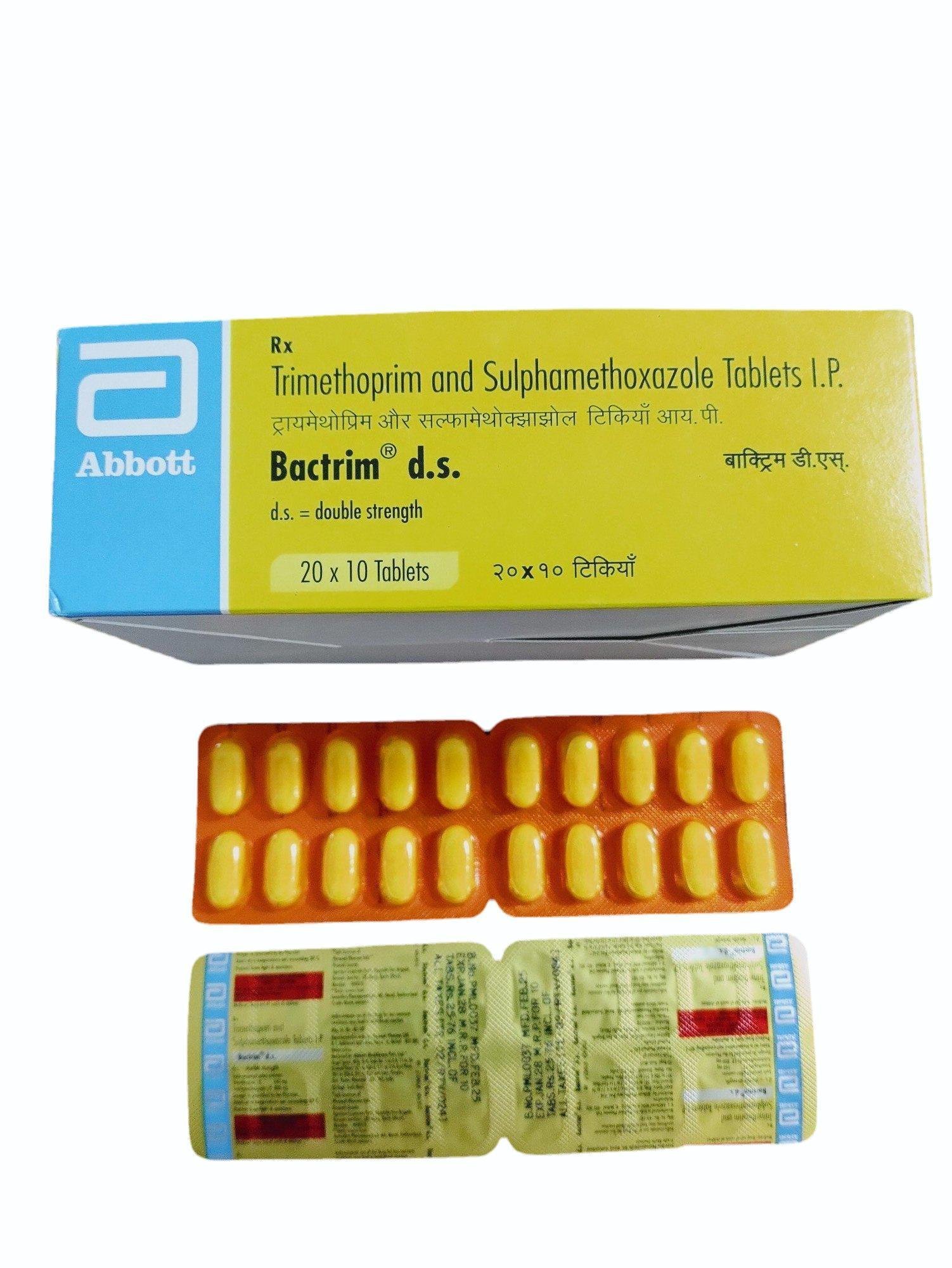
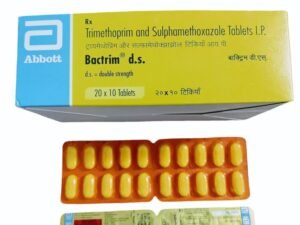
Bactrim DS Tablet – Sulfamethoxazole 800mg + Trimethoprim 160mg
Bactrim DS Tablet – Sulfamethoxazole 800mg + Trimethoprim 160mg
- Generic Name: Sulfamethoxazole + Trimethoprim
- Strength: Sulfamethoxazole 800mg + Trimethoprim 160mg
- Dosage Form: Tablet
- Drug Class: Sulfonamide + dihydrofolate reductase inhibitor combination
- Prescription Status: Prescription Required
- Route: Oral
- Common Abbreviation: TMP-SMX / Co-trimoxazole
Bactrim DS Tablet contains Sulfamethoxazole 800mg and Trimethoprim 160mg, a prescription antibacterial combination used to treat certain susceptible bacterial infections. The two active ingredients work sequentially to inhibit bacterial folate synthesis, interfering with bacterial growth and reproduction.
- Estimated Delivery : Up to 4 business days
- Free Shipping & Returns : On all orders over $200
Bactrim DS Tablet combines two antibacterial medicines: Sulfamethoxazole 800mg and Trimethoprim 160mg.
This combination is commonly known as trimethoprim-sulfamethoxazole (TMP-SMX) or co-trimoxazole. The two components inhibit different steps in the bacterial folate pathway. Their combined action provides a sequential blockade of folate metabolism that is important for bacterial DNA synthesis and growth.
Bactrim DS is used for selected infections caused by susceptible bacteria. Its use should be based on the infection being treated, bacterial susceptibility, local resistance patterns, and patient-specific factors.
Product Information
| Attribute | Details |
|---|---|
| Brand Name | Bactrim DS |
| Active Ingredients | Sulfamethoxazole + Trimethoprim |
| Sulfamethoxazole Strength | 800mg |
| Trimethoprim Strength | 160mg |
| Total Active Ingredients | 960mg |
| Dosage Form | Tablet |
| Drug Class | Sulfonamide + Trimethoprim Combination |
| Common Name | TMP-SMX / Co-trimoxazole |
| Therapeutic Category | Antibacterial |
| Prescription | Prescription Required |
| Route | Oral |
Uses of Bactrim DS
Bactrim DS may be prescribed for certain bacterial infections caused by susceptible organisms.
Depending on the clinical situation, it may be used for selected:
- Urinary tract infections
- Certain respiratory tract infections
- Ear infections
- Intestinal infections caused by susceptible bacteria
- Certain skin and soft-tissue infections
- Pneumocystis jirovecii pneumonia (PJP) treatment or prevention in appropriate patients
- Other infections where TMP-SMX is considered clinically appropriate
The exact indication depends on the causative organism, infection site, susceptibility, severity, and patient-specific factors.
Important
Bactrim DS does not treat viral infections such as:
- Common cold
- Influenza
- Most viral respiratory infections
How Bactrim DS Works
Bactrim DS contains two medicines that interfere with bacterial folate metabolism at different stages.
Sulfamethoxazole
Sulfamethoxazole inhibits dihydropteroate synthase, reducing the formation of dihydrofolic acid.
Trimethoprim
Trimethoprim inhibits dihydrofolate reductase, blocking a subsequent step in folate metabolism.
Together, these medicines produce a sequential blockade of bacterial folate synthesis, interfering with the production of nucleic acids and other substances required for bacterial growth.
Bactrim DS Dosage
The appropriate dose depends on:
- Type and severity of infection
- Patient age
- Body weight
- Kidney function
- Causative organism
- Bacterial susceptibility
- Treatment versus prevention
- Other medicines being used
The standard DS tablet contains 800mg sulfamethoxazole + 160mg trimethoprim, but the appropriate dosing frequency and duration vary considerably by indication.
For this reason, do not use the DS tablet strength alone to determine a treatment regimen.
Take Bactrim DS exactly as prescribed by your healthcare professional.
Kidney impairment
Patients with reduced kidney function may require dosage adjustment. The prescriber may need to assess kidney function before determining the appropriate regimen.
How to Take Bactrim DS
- Take the tablet exactly as prescribed.
- Swallow with a full glass of water.
- Maintain adequate fluid intake during treatment unless your healthcare professional has advised fluid restriction.
- It can generally be taken with or without food.
- Take doses at the prescribed intervals.
- Complete the prescribed course unless instructed otherwise.
- Do not share antibiotics with another person.
| Pills | 100, 200, 400, 600, 800, 1000 |
|---|
Be the first to review “Bactrim DS Tablet – Sulfamethoxazole 800mg + Trimethoprim 160mg”
Related products
-
Doxrid 100mg Capsule – Doxycycline 100mg
Price range: $120 through $840 -
Lquin 500mg Tablet – Levofloxacin 500mg
Price range: $120 through $520 -
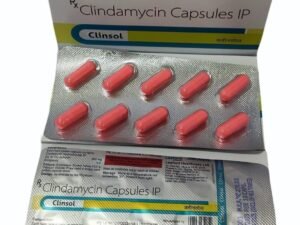
Clinsol 300mg Capsule – Clindamycin 300mg
Price range: $100 through $800 -
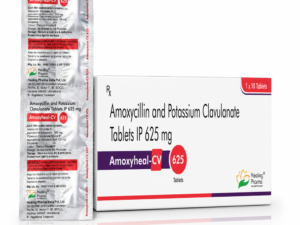
Amoxyheal CV 625mg Tablet – Amoxicillin + Clavulanate
Price range: $100 through $800 -
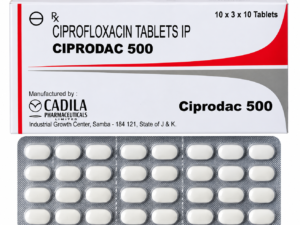
Ciprodac 500mg Tablet – Ciprofloxacin 500mg
Price range: $120 through $520

Reviews
There are no reviews yet.